Introduction
Tidepools are a dynamic interface between the sea and the
land. Daily tidal fluctuations create an
ever-changing environment where organisms must be highly adapted to their
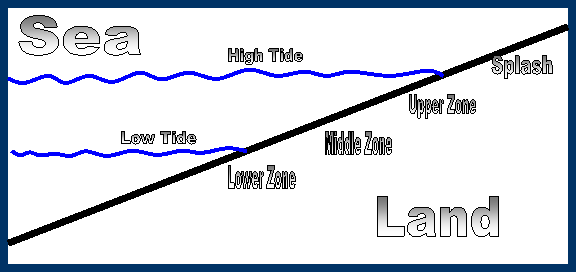
environment in order to survive. Tidepools can be divided into 4 zones, based upon time of
exposure above sea level and by the index species
that live within them. These zones are
shown below and described in detail on this website. You are
required to wear appropriate clothing and closed-toed footwear on this
trip. You will get wet up to your
mid-thighs (at least)

|
Summary of Index
Species Upper
and Splash Zones: Periwinkle
snails, Fingernail limpets, Buckshot barnacles Middle
Zone: Mussels, Gooseneck Barnacles, Acorn Barnacles Lower
Zone: Ochre
stars, Solitary anemones, Aggregate
Anemones, Octopus, Sea Hare
Cool
pictures of organisms found only at the lowest of tides. |